
Best time to visit Bali: the weather month by month, from the Gulf
The best months are April to October, when Bali is dry, the sea is calm and the Gulf summer holiday falls naturally inside the window. The rainy season is still a workable time to travel; it just asks for a morning-first plan.
·
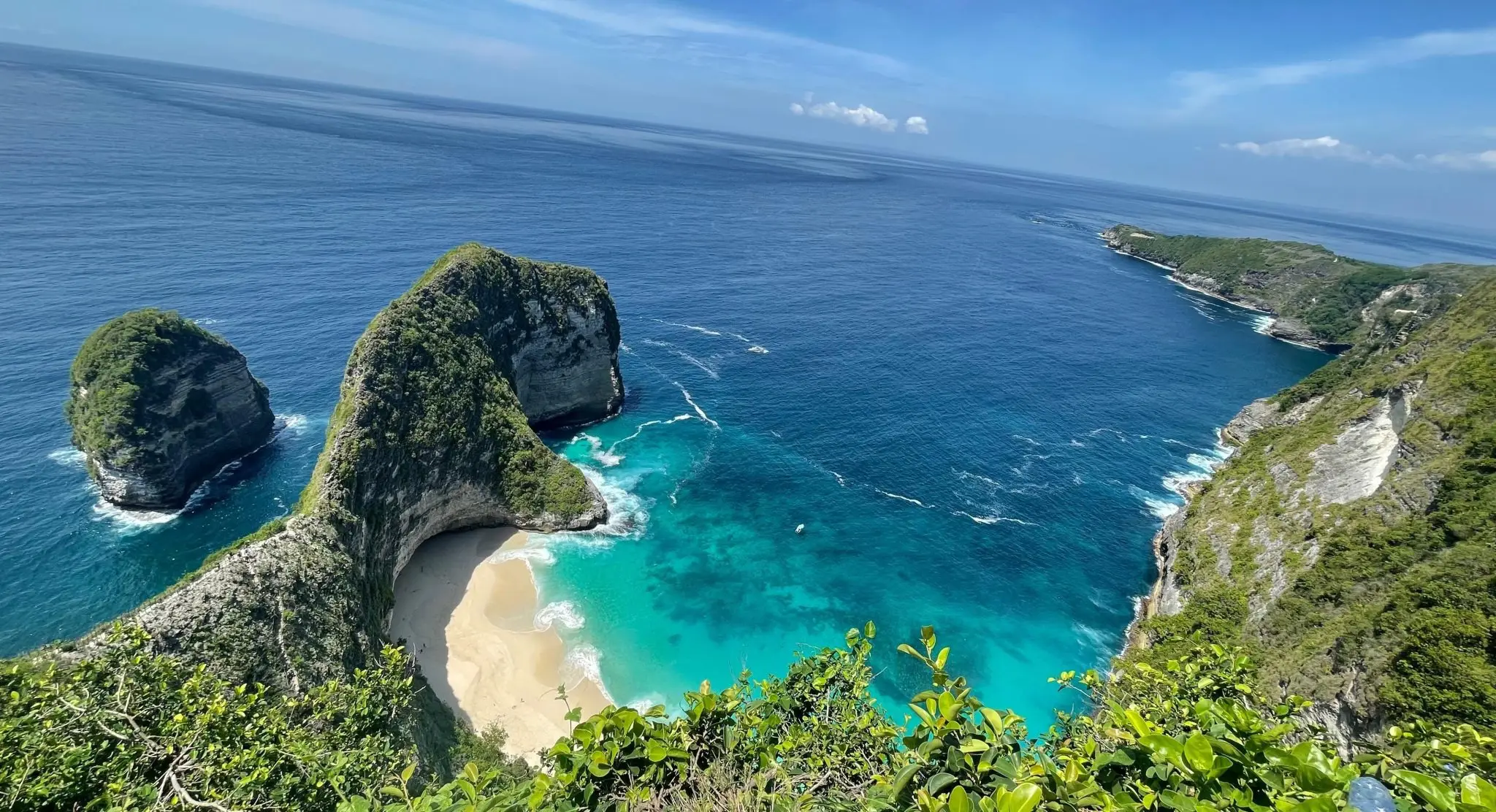
Bali has two seasons, not four. The dry season runs from April to October and the rainy season from November to March. Temperatures barely move between them. What changes is the rain, the sea and the number of other people at the viewpoint.
When is the dry season in Bali?
April to October. Skies are mostly clear, humidity is lower, and the roads to the mountains and the east coast are at their easiest. July and August are the driest months of all. This is the window we recommend for a first visit, and especially for anyone planning the boat to Nusa Penida or the climb up Mount Batur.
When is summer in Bali?
Bali has no summer and winter in the Gulf sense. It sits just south of the equator, so the year turns on rain rather than temperature: a dry season from April to October and a wet season from November to March, with the coast warm in both. The dry season is the one people mean by “summer in Bali”, and it happens to cover the Gulf summer holiday exactly.
What does the rainy season actually look like?
Not a week of grey. From November to March the usual pattern is a clear morning, cloud building after midday, and a heavy shower in the afternoon that lasts an hour or two, then stops. January and February are the wettest months and the only ones where a full day of rain is common.
A rainy-season trip works if the day starts early. Temples, rice terraces and waterfalls before lunch; a pool, a spa or a covered market when the rain comes. Your guide plans the day in that order without being asked. The island is also at its greenest, and prices at hotels are at their lowest.
What is the weather like during the Gulf summer holiday?
June, July and August sit in the heart of the dry season, so the school holiday lines up with Bali’s best weather. Nights are at their coolest, especially in Ubud and the highlands. The trade-off is that July and August are also Bali’s busiest months, with visitors from Australia and Europe on the same calendar.
Eid al-Fitr and Eid al-Adha move earlier each year, so the weather they land in changes too. Check the dates for your year against the Ramadan and Eid table further down rather than assuming Eid means dry season.
When are Ramadan and Eid in Bali’s seasons?
Ramadan and both Eids fall in a different Bali season each year, because the Islamic calendar moves about eleven days earlier every year while Bali’s seasons stay put. For 2027 the expected dates and the season they land in are:
- Ramadan begins around 8 February, in the rainy season.
- Eid al-Fitr on 9 or 10 March, at the end of the rainy season.
- Eid al-Adha on 16 or 17 May, at the start of the dry season.
These are projected dates. The day each month begins depends on the moon sighting, so the announcement for your country is the one to follow. In practice it means Eid al-Fitr in 2027 comes at the end of the rains, with clear mornings, green rice terraces and few visitors, and Eid al-Adha in May comes at the start of the dry season, which is one of the better times to be on the island.
What is Nyepi, and why does it matter for a trip at Eid?
Nyepi is the Balinese Hindu new year, and it is a day of silence. For 24 hours the whole island stops: no tours, no traffic on the roads, no lights or noise outdoors, and everyone, visitors included, stays inside the hotel. The airport closes for the day as well, so no flight lands or leaves.
It falls in March, and in 2027 Indonesia’s official holiday list puts it on Monday 8 March, a day or two before the expected Eid al-Fitr. That is exactly when a Gulf family might choose to travel, so check the date before you book flights and do not plan to arrive or leave on Nyepi itself. The evening before, the island holds the ogoh-ogoh parade, giant papier-mâché figures carried through the streets, which is worth seeing if you are there. The date moves each year, so confirm it before you book.
How hot is Bali, and when is the hottest time?
Between 27 and 31°C on the coast, all year round, with humidity that makes it feel warmer. Evenings stay warm. Ubud, inland and a little higher, is a few degrees cooler and noticeably fresher at night. The summit of Mount Batur is cold before sunrise, around 10°C and windy, which is why the sunrise climb asks you to bring a jacket.
The hottest and most humid stretch is the end of the dry season into the rains, roughly October to March, when the air is heavy and the afternoons are close. July and August are the coolest months on the coast, with fresher mornings and evenings.
When is peak season in Bali?
Peak season, when Bali is busiest and hotels fill first, is July, August, and the two weeks around Christmas and New Year. Viewpoints on Nusa Penida and the popular temples fill up by mid-morning in those weeks, which is why our days start early. The quietest good-weather months are April, May, June, September and October. Late September and October are, for us, the best balance on the island: dry, calm seas, and the summer crowds gone home.
Is the sea calm enough for the Nusa Penida boat?
From April to October, usually yes. The crossing from Sanur is a 45-minute speedboat ride and in those months it is mostly flat. From November to March the swell rises, crossings can be rough, and the harbour authority occasionally stops boats altogether for a day. When that happens, your Nusa Penida day trip is moved to another date or swapped for a day on the mainland. Nobody is put on a boat in bad weather.
What is the weather in Bali month by month?
| Month | Weather | Crowds | Good for |
|---|---|---|---|
| January | Wettest month, humid | Low | Ubud, spas, low hotel prices |
| February | Wet, afternoon storms | Low | Ubud, cultural days |
| March | Rain easing, clear mornings | Low | Rice terraces at their greenest |
| April | Start of the dry season | Moderate | Everything, with fewer people |
| May | Dry, clear, warm | Moderate | Nusa Penida, Batur sunrise |
| June | Dry, coolest nights | Rising | Families, full itineraries |
| July | Driest month | High | All tours; book early |
| August | Dry, windy on the coast | Highest | All tours; book early |
| September | Dry, crowds thinning | Moderate | Nusa Penida, the best overall month |
| October | Dry, occasional shower | Moderate | Batur sunrise, beaches |
| November | Rain returning | Low | Ubud, short tours |
| December | Wet, busy at the end of the month | High over the holidays | Relaxed hotel stays |
What should I pack?
Light, loose clothing for the day and a change for the evening. Shoulders and knees are covered at temples; a sarong is provided at the entrance. Closed shoes, long trousers and a warm jacket for the Mount Batur sunrise by jeep. A light rain jacket from November to March. Sunscreen, a hat and a refillable bottle all year. A small travel prayer mat is useful, though your guide knows the mosques and prayer rooms on every route.
Our recommendation
If the dates are yours to choose, come between late April and October, and choose September or early October if you want the dry-season weather without the August crowds. If the school holiday fixes you to July or August, book early and let us start each day before the coaches arrive. If you are travelling between November and March, build the week around Ubud and the south, keep Nusa Penida flexible, and expect clear mornings.
For a week that covers all of it in one booking, the Bintang Bali programme is planned around the season you are travelling in. Tell us your dates and we will say plainly which days to do first. Send us a message and we will reply on WhatsApp.
Packages related to this guide

Bintang Bali or The Patra Resort — eight days in Bali
8 days · 7 nights- 7 nights at the Bintang Bali or The Patra Resort
- Airport arrival and departure transfers
- Four full days of touring